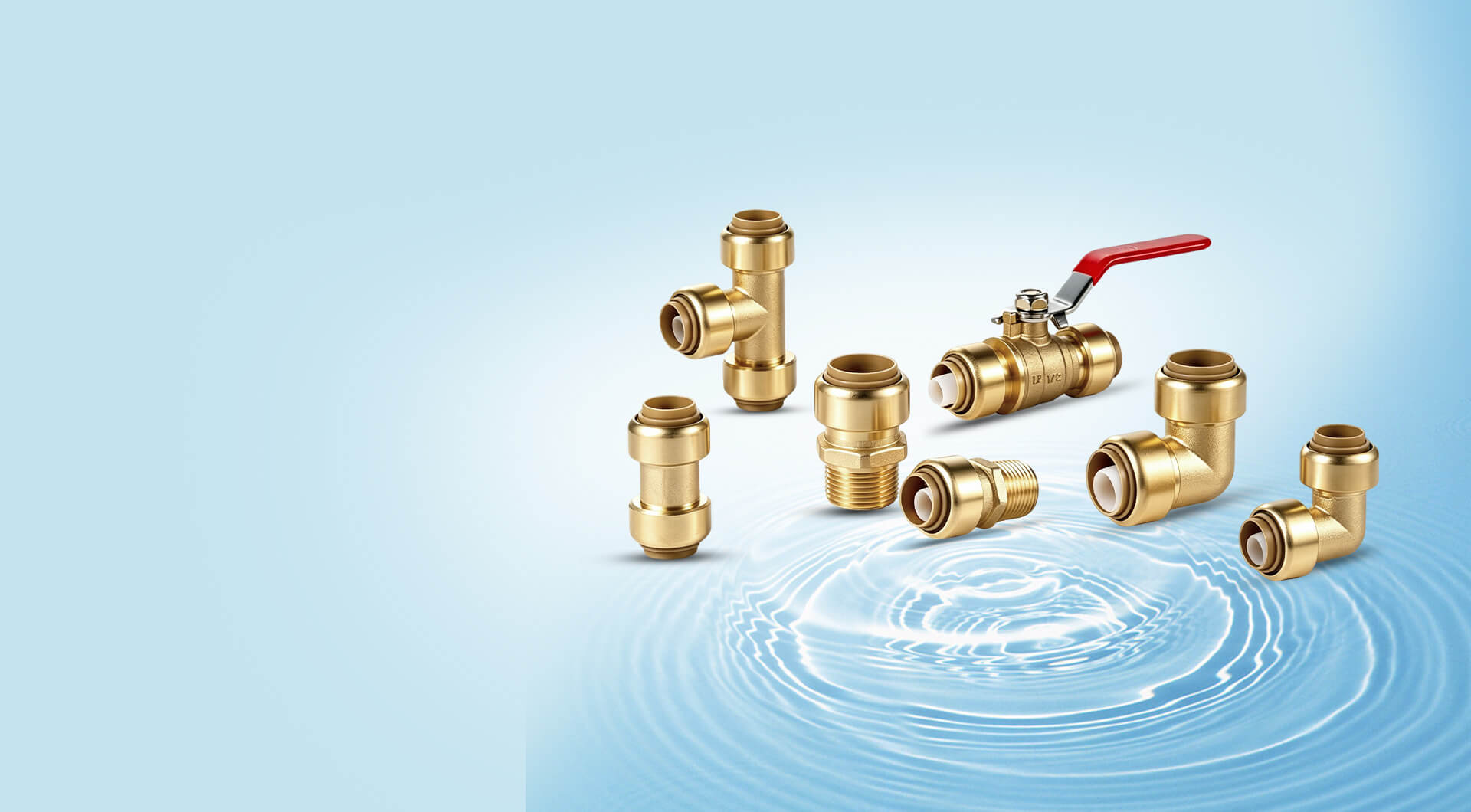
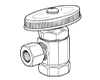
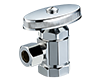
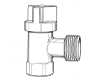
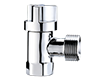
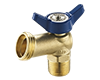
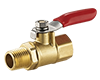
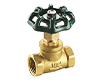
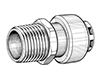
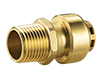
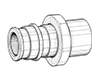
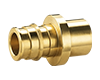
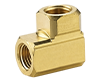
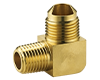
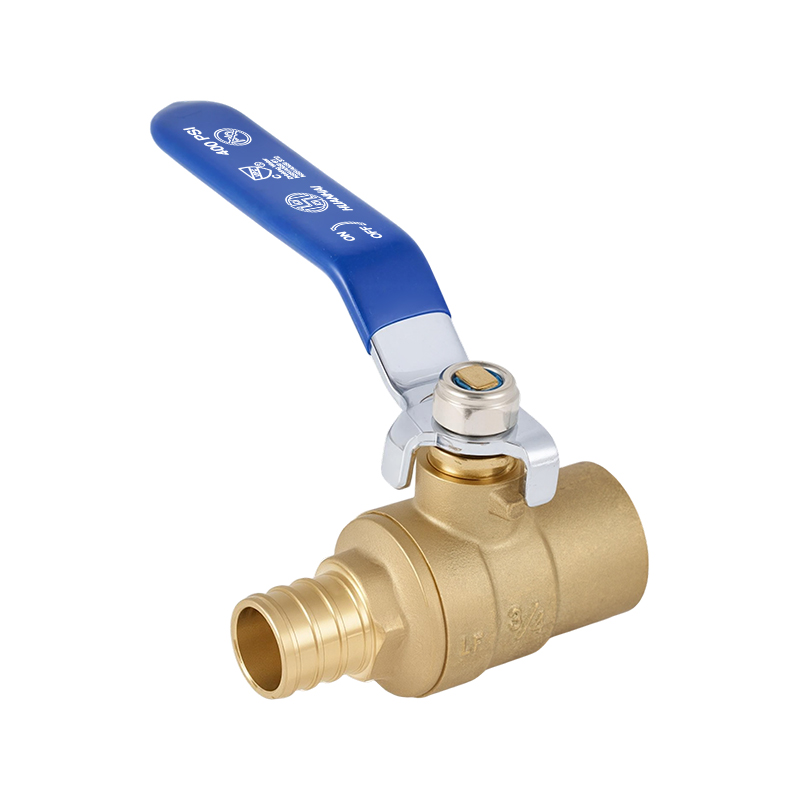
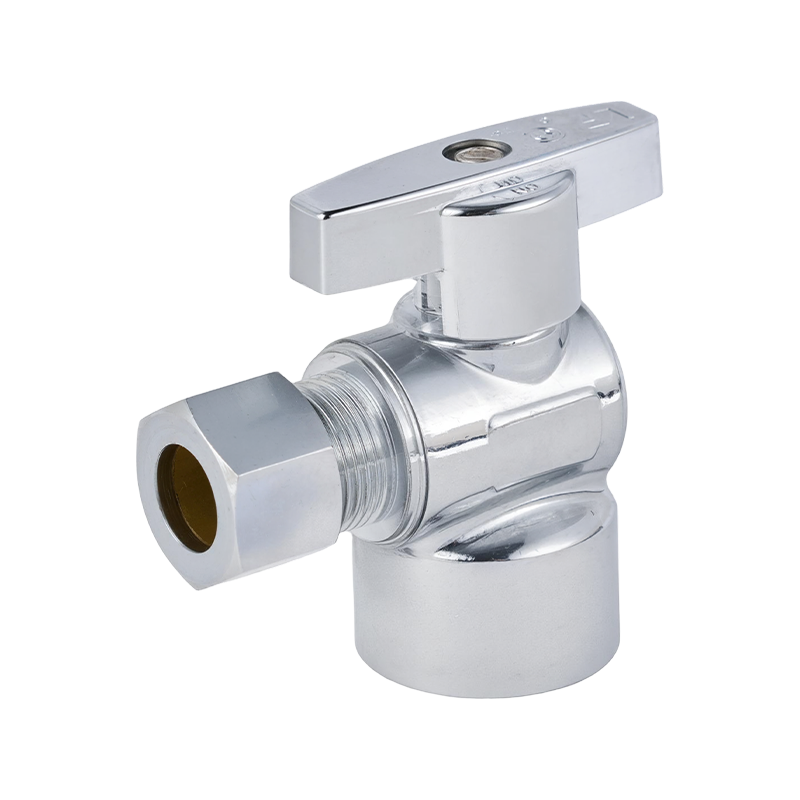
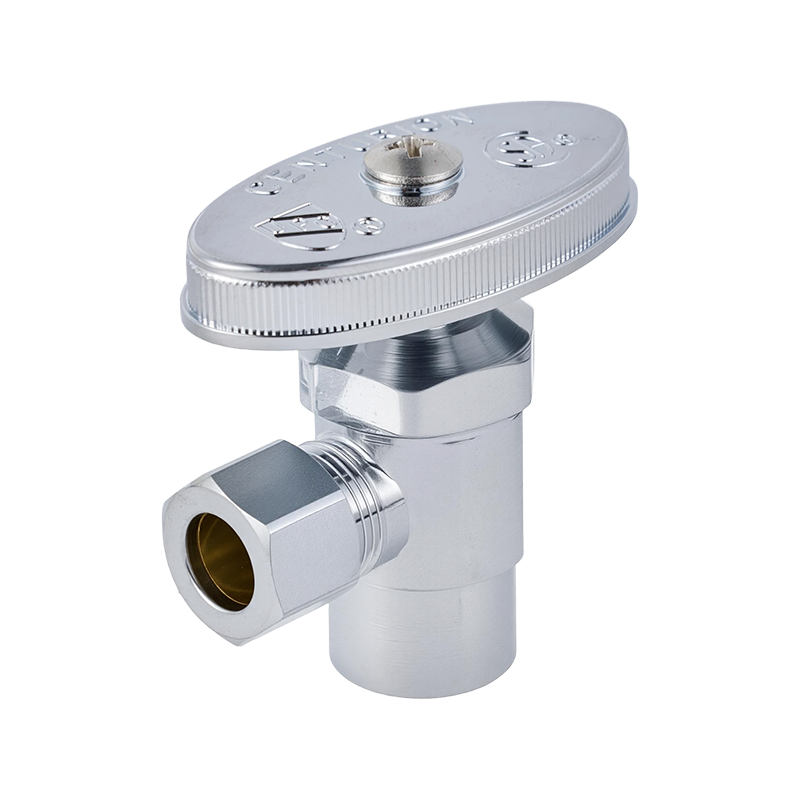
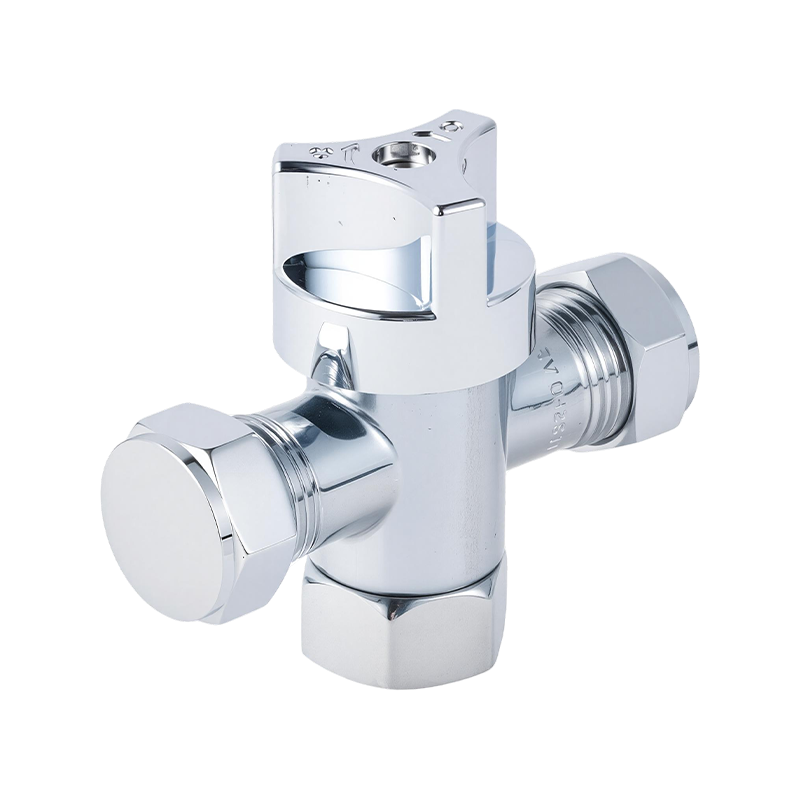
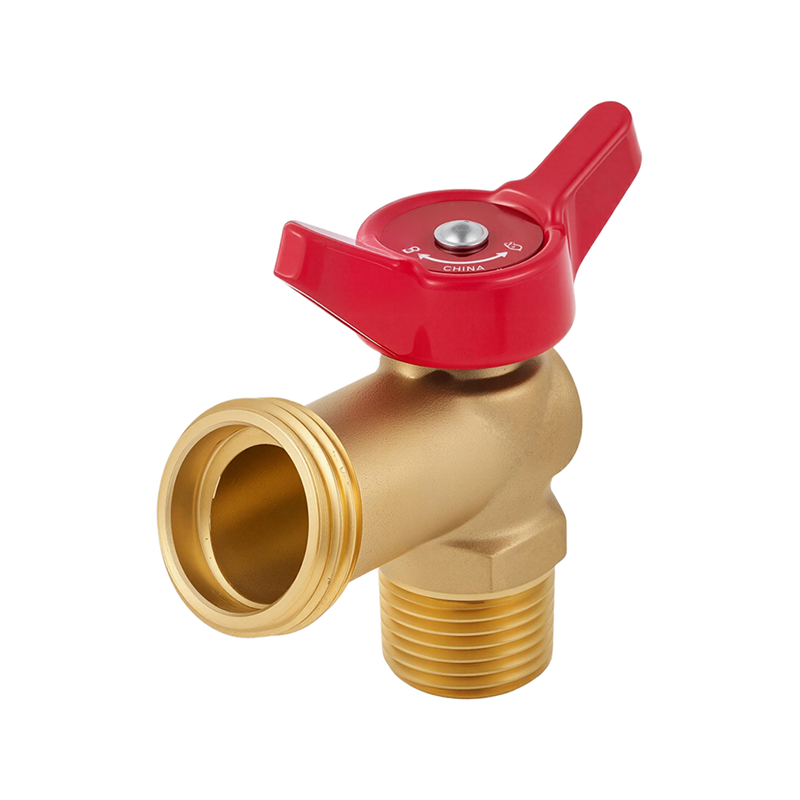
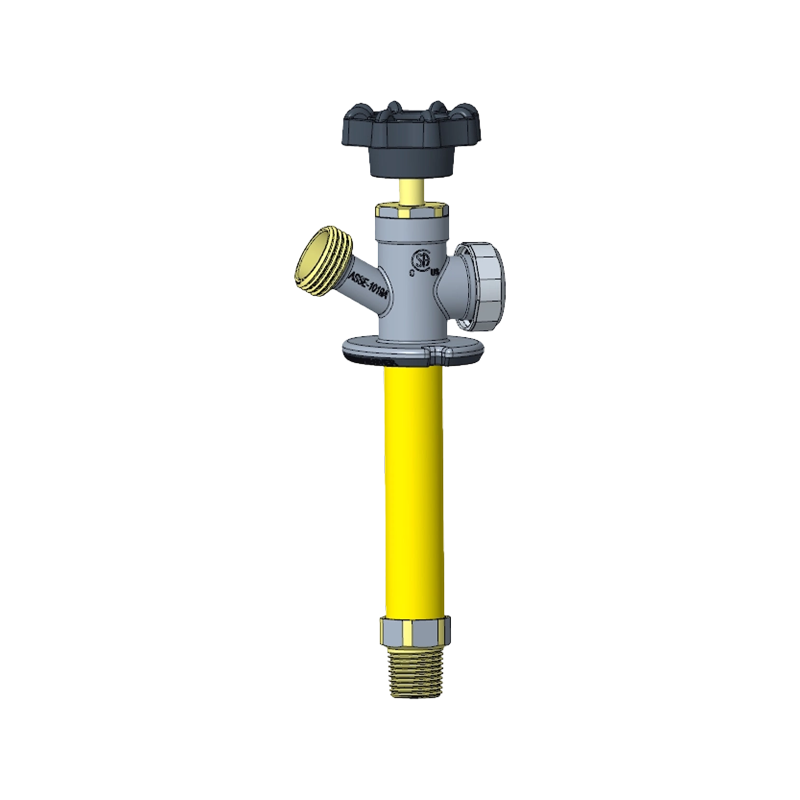
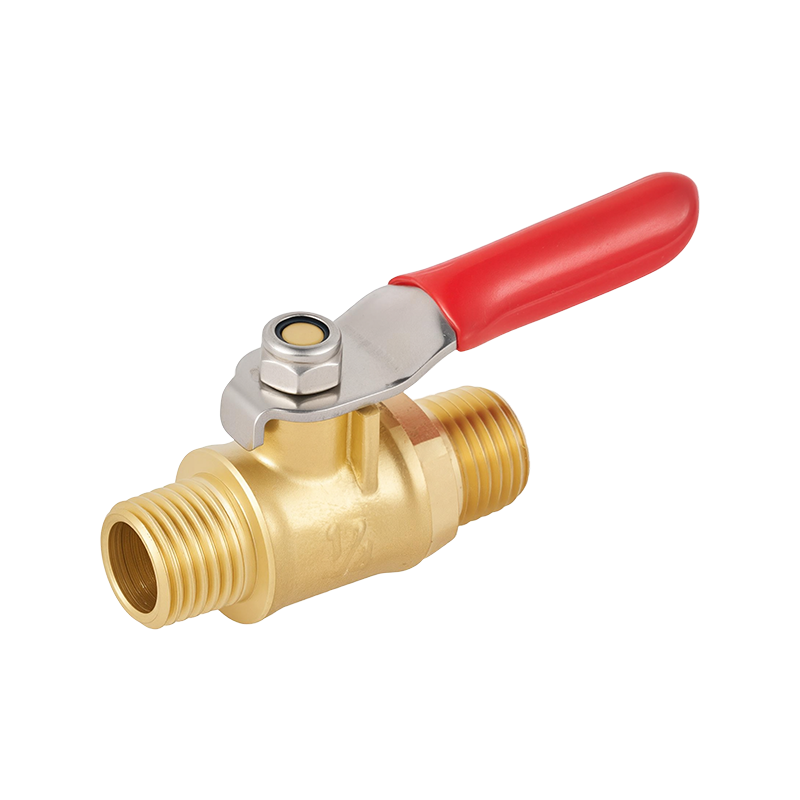
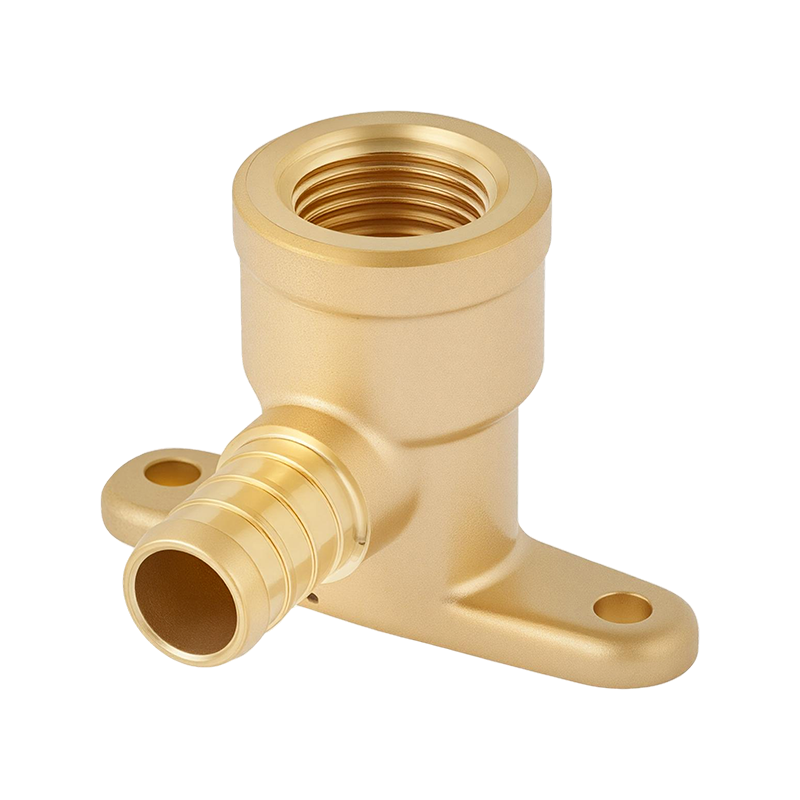
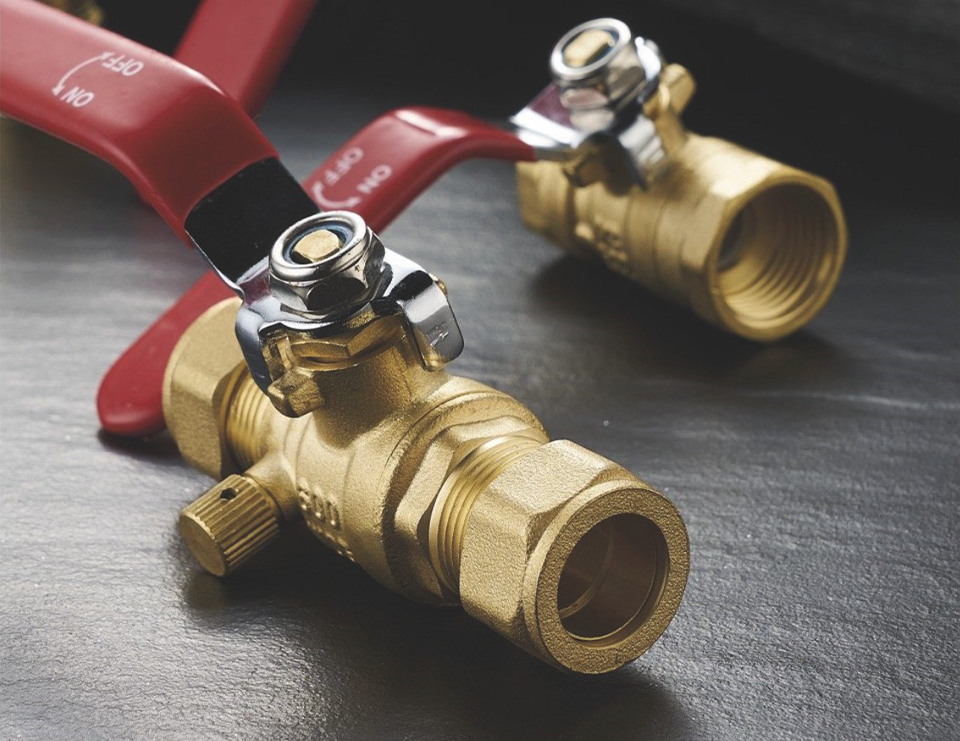
In scenarios including water supply and drainage, heating and ventilation systems, small fluid equipment, as well as water and gas pipelines for stationery production, ball valves serve as core on-off control components. The material of a ball valve directly determines its service life, operational safety and overall comprehensive cost. At present, the mainstream ball valve materials available on the market fall into four categories: brass, plastic, cast iron and stainless steel. Verified by industrial tests and long-term engineering practices, brass ball valves stand out with five core advantages—natural bacteria resistance, easy machinability, excellent temperature and pressure resistance, cost-effectiveness and reliable sealing. They have become the preferred fluid control fittings for residential decoration, commercial projects and light manufacturing industries.


 en
en  English