
 en
 English
 Español

 Industry News
How to Choose the Right Ball Valve for Your Pipeline? 7 Factors Buyers Should Check Before Ordering

Professional Manufacturer of Brass Valves & Pipe Fittings
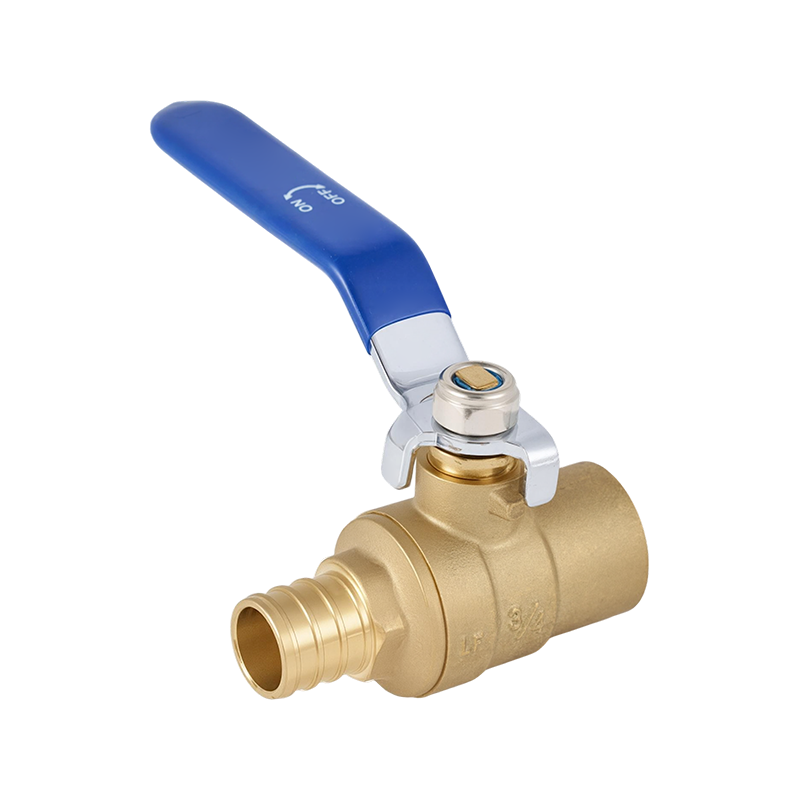
Choosing a ball valve involves more than comparing prices or selecting a familiar product size. In industrial piping systems, an unsuitable valve can lead to leakage, operating difficulties, premature wear, or unexpected maintenance costs. For distributors, project contractors, and equipment manufacturers, understanding the key specifications before placing an order is essential. When sourcing Wholesale Ball Valves, buyers should evaluate the actual working conditions, material requirements, sealing performance, and manufacturing quality rather than focusing on appearance alone.
1. Start with the Working Medium
The first step is identifying what will pass through the valve. Water, oil, natural gas, steam, and chemical fluids have different requirements for corrosion resistance and sealing performance. A material suitable for a general water pipeline may not be appropriate for a chemical processing system.
Before requesting a quotation, buyers should provide the manufacturer with information about:
- Fluid type: Identify the liquid or gas being transported.
- Chemical properties: Consider acidity, alkalinity, and potential corrosiveness.
- Operating temperature: Check whether the valve materials and sealing components can withstand the actual temperature range.
- Operating conditions: Consider whether the system involves frequent opening and closing or continuous operation.
These details help manufacturers recommend a suitable valve configuration instead of offering a standard product that may not match the application.
2. Select the Correct Valve Body Material
Material selection directly affects service life and maintenance requirements. Brass, stainless steel, carbon steel, and other materials serve different operating environments.
For example, brass ball valves are commonly used in water distribution, plumbing, and general fluid systems. Stainless steel options are often considered for applications requiring greater corrosion resistance, while carbon steel valves may be selected for certain industrial pipeline conditions.
Buyers should also pay attention to internal components, including the ball, stem, and seat. The body material alone does not determine overall performance. As a manufacturer, we recommend evaluating the complete material configuration against the fluid properties and operating environment before confirming an order.
3. Check Pressure and Temperature Ratings
A valve must be suitable for the pressure and temperature conditions of the pipeline. Selecting a product based only on its nominal size can result in specification mismatches during installation or operation.
When reviewing a ball valve datasheet, check the following:
- Nominal pressure or pressure class.
- Maximum allowable working pressure.
- Applicable operating temperature range.
- Pressure-temperature limitations of the selected materials.
It is also important to distinguish between working pressure and test pressure. They serve different purposes and should not be treated as interchangeable values. For projects with changing pressure or temperature conditions, buyers should provide the complete operating range so the manufacturer can assess the requirements accurately.
4. Understand Sealing Performance and Leakage Risks
Sealing performance is a major consideration in industrial valve procurement. Even a well-designed valve can experience problems if the seat material, stem sealing arrangement, or assembly quality does not match the service conditions.
Common factors affecting sealing performance include seat wear, material compatibility, operating temperature, and pressure fluctuations. For applications involving hazardous or volatile fluids, external leakage around the stem and body connections also deserves attention.
Buyers should clarify whether the project requires specific pressure testing, fire-safe construction, or fugitive emission qualifications. These requirements should be confirmed before production rather than assumed to be included in every standard ball valve.
5. Choose the Right Connection and Operating Method
Connection type and operation method influence installation convenience and system compatibility. Depending on the pipeline design, ball valves may be supplied with threaded, flanged, or other connection configurations.
Manual lever-operated valves are practical for many straightforward isolation applications. Pneumatic and electric actuators may be more suitable when remote operation or integration with an automated control system is required.
Before ordering, confirm the following details:
- Connection standard and dimensions.
- Port configuration, including full port or reduced port.
- Manual or automated operation.
- Installation space and handle clearance.
Providing drawings or existing pipeline specifications can help reduce dimensional errors during procurement.
6. Evaluate the Manufacturer's Quality Control Process
A competitive quotation should be supported by a clear understanding of how the product is manufactured and inspected. Buyers sourcing ball valves in bulk need consistent product quality across different batches, particularly when supplying contractors or maintaining inventory for repeat customers.
At the manufacturing stage, important quality checkpoints may include raw material inspection, dimensional verification, machining accuracy, assembly checks, and pressure testing.
Before selecting a supplier, ask about:
- Material inspection and traceability.
- In-process and final inspection procedures.
- Applicable product standards and test reports.
- Available certificates and technical documentation.
- Packaging methods for international transportation.
A manufacturer able to explain its production and inspection procedures makes it easier for buyers to evaluate product consistency and supplier reliability.
7. Compare Total Procurement Value, Not Just Unit Price
For wholesalers and distributors, the lowest initial quotation does not necessarily represent the best purchasing decision. Product consistency, delivery arrangements, replacement availability, packaging, and communication efficiency can all influence the overall procurement cost.
When comparing suppliers, request quotations based on the same technical specifications. Check whether the quoted price includes the required materials, connection types, accessories, testing, and documentation. For repeat orders, also discuss production lead times and batch consistency.
A clear purchase specification helps prevent misunderstandings and makes supplier comparisons more meaningful.
Make Your Next Ball Valve Purchase More Efficient
Choosing the right valve starts with understanding the application, not simply selecting a product from a catalogue. By checking fluid compatibility, materials, pressure ratings, sealing requirements, connections, and quality control procedures, buyers can reduce specification errors and make more informed purchasing decisions. As an experienced manufacturer, we recommend discussing your operating conditions and technical requirements before confirming bulk orders. If you are sourcing Wholesale Ball Valves for distribution, industrial projects, or OEM applications, providing detailed specifications is the first step toward finding a suitable and reliable supply solution.
-
Tel :+86-13706556282
-
Email :webmaster@huanhaicn.com
-
Address :Building 5, Zhengding Industrial Park, Longxi Town, Yuhuan City, Zhejiang Province, P.R.China
Copyright © Yuhuan Huanhai Fluid Technology Co., Ltd.
All Rights Reserved.
